


Information on repair and maintenance of engine Dodge cars electronically


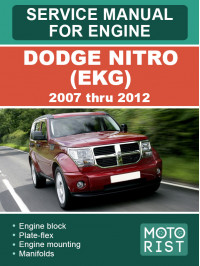
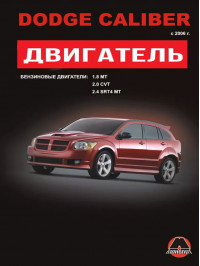
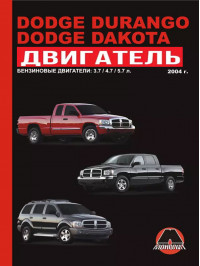

Dodge engines are the heart of vehicles of this brand, delivering high power, dynamic performance, and reliability for decades. They are used in passenger cars as well as pickups and SUVs, ensuring stable operation under all operating conditions. Dodge is known for its powerful gasoline and diesel power units that combine reliability, ease of maintenance, and long service life. Understanding the design and features of Dodge engines allows timely diagnostics, prevention of failures, and extension of vehicle lifespan.
Modern Dodge engines are equipped with advanced technologies, including MultiPoint and Direct Injection fuel systems, turbocharging, Variable Valve Timing (VVT), and electronic ECU control. These technologies provide an optimal balance of power, fuel efficiency, and durability. Owners and technicians familiar with Dodge engine design can quickly eliminate faults and keep vehicles in excellent condition while reducing repair and maintenance costs.
History of Dodge Engines
Dodge engine production began in the early 20th century, when the company produced its first vehicles with inline four- and six-cylinder engines. In the 1930s–1950s, Dodge used the Dodge Flathead Six and Dodge Red Ram V8 engines, which became the foundation of the brand’s popularity due to their high power and reliability.
In the 1960s–1970s, Dodge began producing powerful V8 engines, including the legendary HEMI 426 and Magnum V8, used in the Charger, Challenger, and Ram models. These engines were distinguished by high performance and resistance to heavy loads, making them popular among car enthusiasts and in the muscle car market.
In the 1980s–1990s, Dodge started introducing more modern gasoline engines with fuel injection systems, including the Magnum V6 and V8 series. They combined reliability and efficiency and were used in passenger cars, SUVs, and Dodge Ram pickups.
Modern Dodge engines (3.6 Pentastar V6, 5.7 HEMI V8, 6.4 HEMI V8, 6.7 Cummins Diesel) are used in Dodge Charger, Challenger, Durango, and Ram models. These engines deliver high power, efficient fuel consumption, and reliable operation in all conditions. Electronic control, turbocharging, and safety systems make them resistant to overloads and durable under intensive use.
Characteristics of Dodge Engines
Dodge engines are known for their power, reliability, and high performance. Key characteristics include:
- Type: gasoline and diesel.
- Models: 3.6 Pentastar V6, 5.7 HEMI V8, 6.4 HEMI V8, 6.7 Cummins Diesel.
- Displacement: 3.6–6.7 liters depending on the model.
- Power output: from 290 to 420 hp for gasoline engines and up to 400 hp for diesel engines.
- Turbocharging on Cummins diesel engines.
- Electronic ECU control and Variable Valve Timing (VVT).
- High serviceability and wide availability of spare parts.
- Application in Dodge passenger cars, pickups, and SUVs.
Dodge engines ensure stable operation during city and highway driving, intensive use, and cargo transportation. Their popularity is driven by the combination of power, durability, and ease of maintenance.
Dodge Engine Repair Manual
Having a Dodge engine repair manual in PDF format is essential for owners and technicians. It contains engine diagrams, diagnostic procedures, disassembly instructions, service guidelines, and repair processes for all components.
Using the manual, you can:
- replace oil, filters, and consumables for 3.6 Pentastar V6, 5.7 HEMI V8, 6.4 HEMI V8, and 6.7 Cummins Diesel engines;
- service fuel injection systems, turbocharging, and valve timing systems;
- check and restore electronic engine control units;
- resolve engine starting issues and unstable operation;
- diagnose and repair sensors, valves, and other engine components;
- perform preventive maintenance of the cooling and lubrication systems;
- use documentation to strictly follow factory specifications during repairs.
Proper use of the manual helps keep Dodge engines in excellent condition, extend service life, and ensure reliable vehicle operation. Even with intensive use or high mileage, Dodge engines remain serviceable and durable.
Dodge engines represent reliability, durability, and high performance. Using the official repair manual helps maintain vehicles in working condition, ensure stable operation of all systems, and prevent costly failures. Thanks to high-quality power units, Dodge vehicles remain in demand on the market and retain their operational value for many years.