Information on repair and maintenance of Scania Series R cars electronically
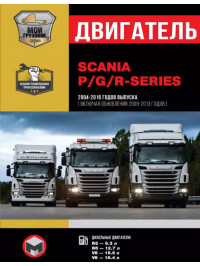
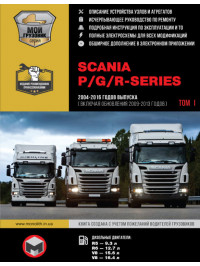
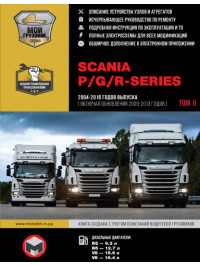
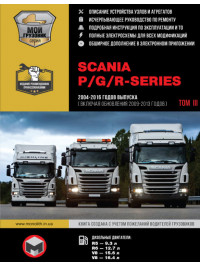
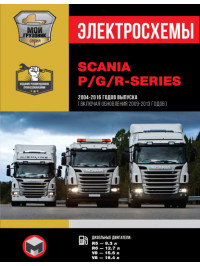
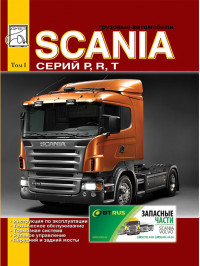
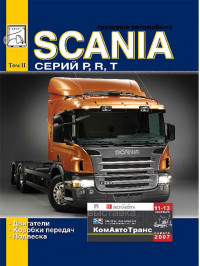
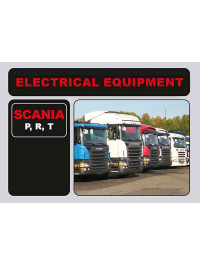
Modern long-haul trucking demands not only high performance and reliability, but also cost optimization, driver comfort, and environmental sustainability. The Scania R-series was created specifically as a transport solution that helps carriers achieve maximum efficiency: a wide range of engines, high adaptability to various chassis configurations, and attention to aerodynamics are key factors for success.
In today's reality, attention to fuel consumption, environmental standards (including Euro 6), and driver comfort is more than just a passing fad—it directly reflects the economics of transportation. The Scania R-series offers models equipped with alternative fuel-capable engines and enhanced cab comfort, making long hauls less tiring for the driver and more profitable for business.
History of the Scania R-series
The R-series model range was first introduced in 2004 as a new step in the development of Scania's commercial trucks and aimed to become a leader in the heavy-duty tractor segment.
Even from its early stage, the series' introduction was accompanied by significant innovations: an improved cab, control system, and an emphasis on driver comfort and operational efficiency.
Since then, the series has undergone several modifications: aerodynamics have been updated, and the engine range has been expanded (9-, 13-, 16-liter units) and increased compliance with strict environmental and economic standards.
Today, the R-series remains one of Scania's flagship series for long-haul transport: the combination of proven solutions and modern technologies allows these trucks to be used in a wide range of conditions, from highways to special-purpose vehicles.
Scania R-series Specifications
Engines and Transmission
The R-series offers a wide range of diesel engines:
- 9-liter engine: output from ~280 hp to ~360 hp (depending on version).
- 13-liter engine: from ~420 to ~560 hp, torque reaches ~2800 Nm.
- 16-liter V8: up to ~770 hp and torque of ~3700 Nm.
Transmissions include manual and automated options with a wide gear range, often with an optional robotic clutch (Opticruise) and reinforced components for heavy-duty use.
Cabin and Comfort
R-Series cabs are designed for long-term use: models with high or medium ceilings, spacious berths, and ergonomically arranged instruments. Aerodynamics have been improved through a redesigned cab, integrated lighting elements, and reduced gaps between components.
Efficiency and Environmental Friendliness
Scania is actively integrating technologies that enable operation on biofuels and HVO fuel, reducing fuel consumption and emissions. Thus, the Super 13-liter series engines are designed to achieve fuel savings of up to 8% compared to previous solutions.
Scania R-series Repair Manual
To maintain the high reliability of the R-series, it is important to follow a number of recommendations:
- Regularly inspect the engine condition - especially the turbocharger, intake system, and fuel injection.
- Change oil and filters on a timely basis, as powerful units place high demands on the quality of maintenance.
- Check aerodynamic elements and cabin seals - this helps reduce fuel consumption and improve driver comfort.
- Use genuine transmission components and chassis assemblies, as these models are designed for long-term operation and harsh conditions.
- Contact certified Scania service centers and perform regular preventive maintenance - especially important for versions with V8 engines.
The Scania R-series is a versatile choice for companies that value high traction, comfort, and long-term operational reliability.
With a wide range of engines, well-designed cabs, and high adaptability to various configurations, the R-series remains a leader in the long-haul tractor segment.
With proper operation and maintenance, you get a powerful business tool, ready to work in a wide range of conditions.