


Information on repair and maintenance of Volvo engines cars electronically
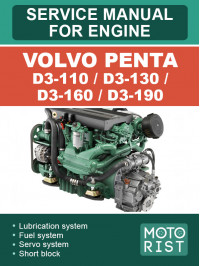
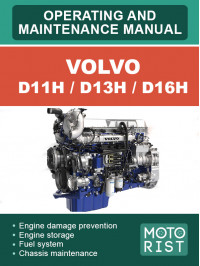
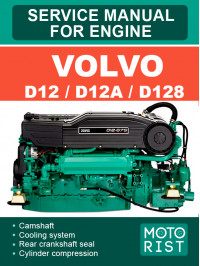
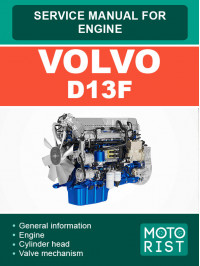
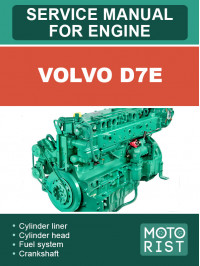
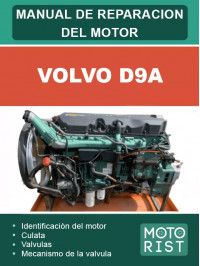
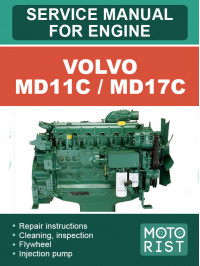
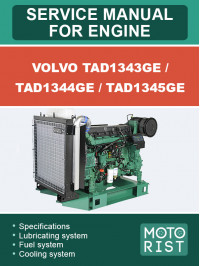
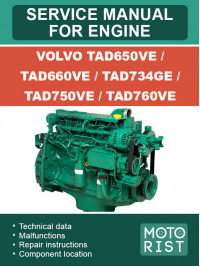
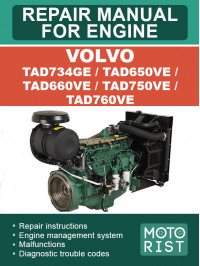
Volvo is known worldwide as a car manufacturer where safety, reliability, and engineering excellence always come first. But an equally important part of the brand’s philosophy is its engines. Swedish Volvo engines are valued for their durability, efficiency, and ability to withstand harsh operating conditions. Whether it’s the freezing winters of Scandinavia or the overloaded highways of Europe, Volvo engines deliver resilience and stable performance.
The wide range of engines makes it possible to choose the best option for a city car, a heavy SUV, or a premium sedan. To appreciate the scale of the company’s engineering solutions, it is important to review the history of its engines, their key features, and modern service manuals.
History of Volvo Engines
The history of Volvo engines began back in 1927 with the introduction of the first car, the ÖV4. It was equipped with an inline four-cylinder 1.9-liter engine. Even then, engineers prioritized reliability and simplicity of design. In the post-war period, the company moved to larger units, including six-cylinder engines used in sedans and station wagons.
In the 1970s, Volvo introduced the famous B-series – inline four-cylinder engines that became a symbol of durability. These engines, known as “Redblocks,” were used for decades and were extremely easy to repair. Many cars with B-series engines are still on the road today, proving their legendary lifespan.
In the 1990s, the company switched to five-cylinder engines – a rare choice that gave Volvo cars a unique sound and excellent torque. Later came six-cylinder engines, including turbocharged versions.
The modern era began with the development of the Drive-E family – compact but powerful four-cylinder engines with turbocharging and hybrid systems. These engines combine efficiency and low emissions while maintaining Volvo’s signature reliability.
Main Volvo Engine Series
Over the decades, the company has released many iconic engine series:
- B-series (Redblock) – legendary inline 4-cylinder naturally aspirated engines, known for their high reliability and simple design.
- Penta – marine engines that became a symbol of quality in shipbuilding.
- Whiteblock – a family of inline five- and six-cylinder engines introduced in the 1990s. Installed in models such as the Volvo 850, S70, S80, and others.
- Modular Engine Family – a versatile lineup covering 4- to 6-cylinder configurations.
- Drive-E (VEA) – the modern generation of turbocharged 4-cylinder engines with hybrid technologies and a focus on eco-friendliness.
These series show how Volvo gradually moved from simple to high-tech solutions while staying focused on longevity.
Volvo Engine Features
Volvo engines are distinguished by a set of features that made them popular worldwide:
- Durability – engine lifespan easily exceeds 400,000–500,000 km with proper maintenance.
- Unique configurations – use of five-cylinder engines, rare in mass automotive production.
- Efficiency – modern Drive-E engines combine low fuel consumption with high output.
- Climate adaptability – engines start easily in freezing temperatures and withstand long operation in harsh conditions.
- Turbo compatibility – many versions were equipped with turbochargers, adding dynamics without reducing lifespan.
These features make Volvo engines ideal for owners who value reliability and comfort on long journeys.
Volvo Engine Repair Manuals
Volvo has always paid attention to service support. For most engines, detailed Volvo engine repair manuals in PDF format are available, which include:
- Complete technical specifications.
- Diagrams of cooling, lubrication, and fuel systems.
- Detailed disassembly and assembly instructions.
- Bolt torque values and adjustment parameters.
- Electronic system diagnostic algorithms.
- Recommendations for selecting genuine consumables.
Such manuals allow owners and mechanics to properly service engines and carry out repairs without mistakes.
Problems solved by Volvo engine manuals include:
- Timing belt or chain replacement.
- Turbocharger repair.
- Cooling system diagnostics and repair.
- Valve adjustment and noise elimination.
- Reducing excessive fuel consumption.
- Gasket replacement and oil leak repair.
- Engine control unit diagnostics.
- Winter preparation of the engine.
Volvo engines are an example of the Scandinavian approach to engineering: simplicity, reliability, and advanced technology in one package. They don’t chase power records but serve reliably for decades while maintaining excellent performance.
Having a PDF repair manual allows owners and service centers to maintain engines efficiently, detect issues in time, and extend the vehicle’s lifespan. Thanks to this, Volvo engines rightfully remain a symbol of quality and longevity, while cars equipped with them continue to be valued on the used car market worldwide.