Information on the repair and maintenance of car gearboxes in electronic form
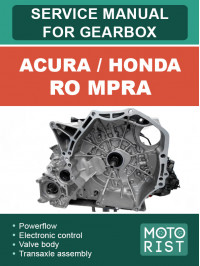
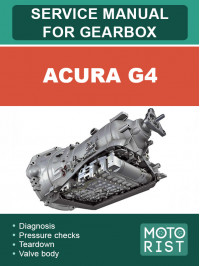
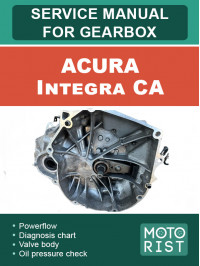
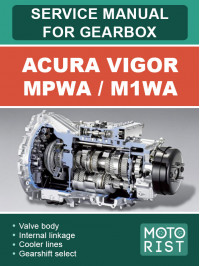
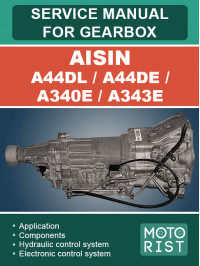
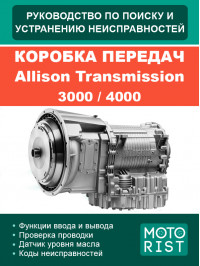
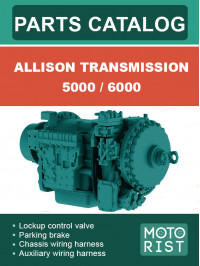
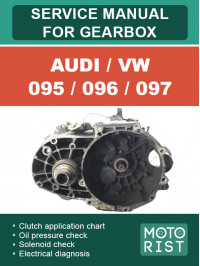
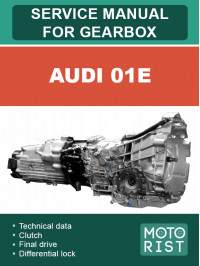
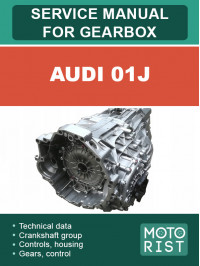
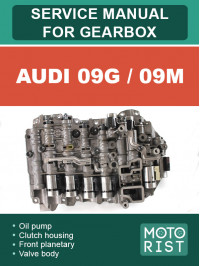
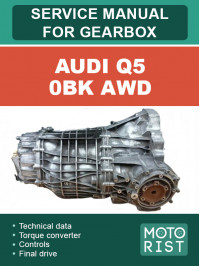
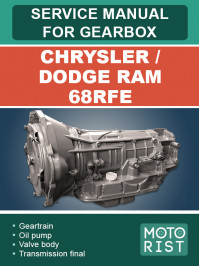
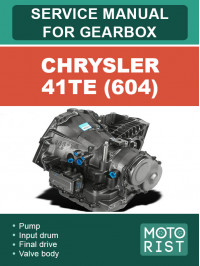
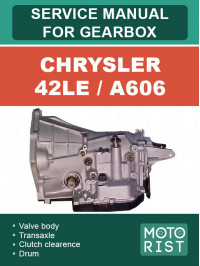
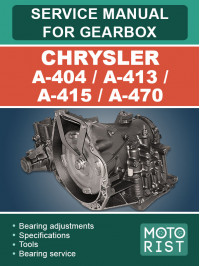
The gearbox is one of the key components in any vehicle, responsible for transmitting torque from the engine to the wheels. The earliest transmission prototypes appeared in the late 19th century as inventors adapted steam engines to road vehicles.
In 1894, Louis Renault built the first mechanical gearbox with direct engagement of multiple gears — marking the beginning of the classic manual transmission (MT) era.
History of Gearboxes
In the 1920s–1930s, synchronizers were introduced, allowing drivers to shift gears without double clutching.
In the 1940s, General Motors launched the first mass-produced automatic transmission — the Hydra-Matic. This triggered a technological race, resulting in the development of automatics (AT), continuously variable transmissions (CVT), dual-clutch transmissions (DCT), and electronically controlled systems.
Today, gearboxes are used not only in passenger cars, but also in trucks, heavy machinery, tractors, bulldozers, forklifts, and industrial equipment. Modern transmissions are built to withstand heavy loads and feature advanced electronic control systems.
Gearbox Specifications
There are several main types of gearboxes, each with specific characteristics and applications:
- Manual Transmission (MT) – classic manual shifting. Found in cars, trucks, tractors. Easy to repair, inexpensive, reliable, but requires driver skill.
- Automatic Transmission (AT) – hydromechanical system with a planetary gearset and torque converter. Offers smooth shifting and multiple modes. Common in passenger and commercial vehicles.
- CVT (Continuously Variable Transmission) – stepless transmission using belts and pulleys. Fuel-efficient but sensitive to overload and requires precise maintenance.
- Automated Manual Transmission (AMT, DSG) – mechanical gearbox with automated clutch and gear control, operated by ECU. Suitable for passenger and commercial vehicles.
- Industrial Gearboxes and Transfer Cases – used in heavy equipment. Feature low-range gears, interaxle differentials, and locking systems.
Key technical parameters:
- Number of gears – from 4 to 18. Heavy machinery often features high/low split ranges.
- Drivetrain type – rear-wheel, front-wheel, all-wheel.
- Gear ratios – determine torque output and fuel efficiency.
- Clutch type – single-disc, dual-disc, or torque converter.
- Electronic control – presence of ECU, CAN bus, engine integration.
Well-known gearbox manufacturers: ZF, Allison, Eaton, Getrag, Jatco, Voith, YaMZ, KamAZ, Shaanxi Fast Gear, Sinotruk, and Chinese brands Qijiang, Fast, and WLY.
Gearbox Repair Manuals
Most gearboxes have detailed PDF repair and maintenance manuals available. These are essential for scheduled servicing and troubleshooting, especially in commercial and industrial vehicles.
Such manuals typically include:
- Gearbox design section – component descriptions, operation principles, kinematic diagrams;
- Tables of gear ratios and torque outputs;
- Step-by-step disassembly with photos and diagrams;
- Maintenance procedures – fluid and filter replacement, cable and sensor adjustment;
- Electrical diagrams (for AT and AMT);
- Diagnostic trouble code (DTC) lists with explanations;
- Torque specs, clearances, tolerances, and gear wear checks.
Manuals may be original from the OEM (e.g., ZF 16S151, Allison 3000 Series) or translated by third parties. They’re well-structured for printing or tablet use in workshops.
A gearbox is a complex component, and even minor issues can lead to failure. A gearbox repair manual helps pinpoint and fix problems accurately. Common issues include:
- Hard shifting – adjust clutch or cables, check synchronizers, inspect fluid;
- Noise while driving – worn bearings, couplings, gears, excessive play;
- Oil leaks – from seals, gaskets, joints;
- Slipping in automatics – faulty torque converter or worn friction plates;
- AT ECU errors – diagnose speed, pressure, and temp sensors;
- Gear pop-outs under load – worn forks, sleeves, or detents.
A PDF guide lets you locate failures quickly without tearing down the entire unit. This is especially valuable in transport fleets, construction sites, quarries, or field conditions.