Information on repair and maintenance of engine JAC cars electronically

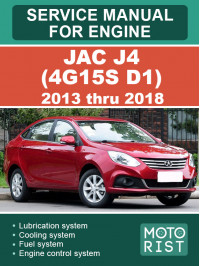
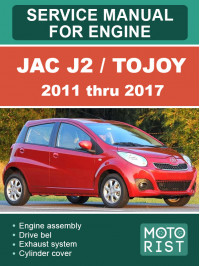
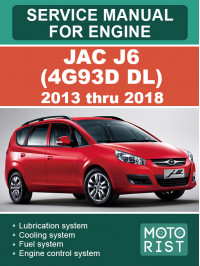
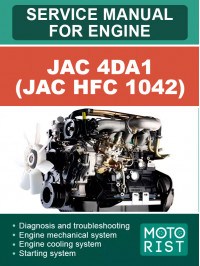
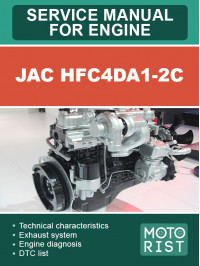
JAC engines are a key component of the reliable operation of vehicles of this brand, including passenger, commercial, and truck models. They ensure stable performance, fuel efficiency, and a long service life. JAC vehicles are known for their simple design, availability of spare parts, and high maintainability, which makes it possible to keep the engine in excellent condition even under intensive use.
JAC engines combine modern technology, reliability, and efficiency. The company uses diesel and gasoline engines that comply with international environmental standards Euro-4 and Euro-5. Electronic engine management, turbocharging systems, and optimized fuel consumption make JAC vehicles suitable both for urban driving and for operation in demanding conditions. Owners and mechanics familiar with the design of JAC engines can quickly diagnose and eliminate faults, extending the service life of the equipment.
History of JAC Engines
JAC engine production began in the early 2000s. The first power units were used in JAC J3 passenger cars and HFC series commercial trucks. The HFC4DA1-1C and HFC4DE1-2D engines provided sufficient power and stable performance for cargo transportation and daily operation.
During the period from 2008 to 2015, JAC modernized its engines by introducing the HFC4DA1-2B and HFC4DE1-3B models, which featured improved fuel efficiency, higher torque, and reduced emissions. At the same time, cooling systems, fuel injection, and electronic control systems were further developed.
Modern JAC engines (HFC4DB1-2D, HFC4DE1-3D) comply with Euro-4 and Euro-5 standards and are used in trucks, commercial vans, and passenger vehicles. They provide high reliability, durability, and the ability to operate under intensive conditions on all types of roads.
Characteristics of JAC Engines
JAC engines are distinguished by high reliability, efficiency, and ease of maintenance. Key characteristics include:
- Type: diesel and gasoline.
- Models: HFC4DA1-1C, HFC4DE1-2D, HFC4DA1-2B, HFC4DE1-3B, HFC4DB1-2D, HFC4DE1-3D.
- Displacement: 1.5–3.0 liters depending on the model.
- Power output: 85–130 hp, ensuring stable operation of JAC vehicles.
- Emission standards: Euro-4, Euro-5.
- Turbocharging and electronic control for improved efficiency and performance.
- Easy repair and wide availability of spare parts for all models.
- Compatibility with passenger, commercial, and truck vehicles from JAC.
JAC engines provide stable performance during cargo transportation, intensive urban use, and operation on unpaved roads. They remain in demand due to their maintainability and durability, even at high mileage.
JAC Engine Repair Manual
The availability of a JAC engine repair manual in PDF format is extremely important for owners and mechanics. It includes wiring diagrams, diagnostic instructions, disassembly procedures, maintenance guidelines, and restoration processes for all engine components.
Using the manual, you can:
- perform oil changes, replace filters, and service consumables for models HFC4DA1-1C, HFC4DE1-2D, HFC4DA1-2B, HFC4DE1-3B, HFC4DB1-2D, and HFC4DE1-3D;
- service fuel injection and turbocharging systems;
- check and restore electronic engine control units;
- eliminate engine starting issues and unstable engine operation;
- carry out preventive maintenance of the cooling and lubrication systems;
- diagnose and repair sensors, valves, and other engine components;
- use documentation to strictly follow factory specifications during repairs.
Proper use of the manual allows you to keep JAC engines in excellent condition, extend the service life of the equipment, and ensure reliable vehicle operation. Even under intensive use or with high mileage, JAC engines remain maintainable and durable.
JAC engines represent reliability, durability, and ease of maintenance. Using the official repair manual helps keep vehicles in working condition, ensures stable operation of all systems, and prevents costly breakdowns. Thanks to high-quality power units, JAC vehicles remain in demand on the market and retain their operational value for many years.