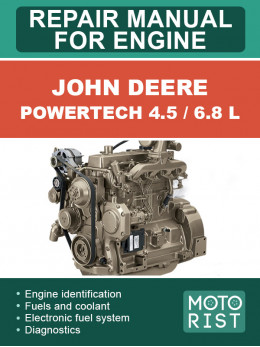
Information on repair and maintenance of engine Haval cars electronically







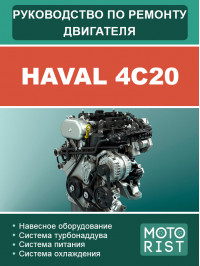
In recent years, the Chinese brand Haval has become one of the most recognizable manufacturers of crossovers and SUVs. The key element of the brand’s success lies in its modern engines, which combine advanced technologies, fuel efficiency, and adaptability to various road conditions.
Haval power units are known for their reliability and resistance to heavy loads. The company’s engineers have managed to find a balance between performance and fuel economy while maintaining a long service life.
History of Haval Engines
The development of Haval engines is closely connected to the history of the Great Wall Motor Corporation, which originally specialized in producing SUVs and pickup trucks. Until the 2010s, the company actively used power units developed in cooperation with Japanese and European manufacturers. Over time, the focus shifted toward creating its own engine lines.
In 2013, when the Haval brand became an independent division, engineers began developing a new generation of turbocharged gasoline engines. These engines received the GW4 index and were installed in the brand’s most popular models — H6, H9, and F7.
By 2018, the company introduced engines with direct fuel injection and upgraded turbochargers, which increased power and reduced fuel consumption. At the same time, Haval worked on meeting international environmental standards — from Euro-4 to Euro-6.
In the 2020s, Haval launched new engine series, the GW4B15 and GW4N20, which became competitive even compared to Japanese and German counterparts. These engines deliver high torque, quiet operation, and excellent emission performance.
Haval Engine Specifications
Haval engines can be divided into several categories: naturally aspirated gasoline, turbocharged gasoline, and, less commonly, diesel engines.
Naturally Aspirated Engines
In the early stages of the brand’s development, simple naturally aspirated engines with a displacement of 1.5–2.4 liters were used. They were reliable and easy to maintain, but over time, they were replaced by more advanced turbocharged engines.
Turbocharged Gasoline Engines
- GW4C20 (2012–2020) — a 2.0-liter engine producing up to 190 hp. Installed in Haval H6, H8, and H9. Known for its high torque and easy maintenance.
- GW4B13 (2018–2023) — a 1.5-liter turbo engine with 143–150 hp. Used in Haval H6 and F7. Praised for its fuel efficiency and affordable spare parts.
- GW4B15 (2020–present) — a modern 1.5-liter engine producing 169 hp. Features direct injection and turbocharging. Used in F7, Dargo, and Jolion models.
- GW4N20 (2020–present) — a 2.0-liter engine producing up to 224 hp. Highly advanced and installed in models such as Dargo, H9, and other premium vehicles.
Diesel Engines
Although Haval primarily focuses on gasoline engines, diesel versions with a 2.0-liter displacement were produced for certain export markets. These engines offer low fuel consumption and excellent endurance under long-term loads.
Technological Features
All modern Haval engines are equipped with variable valve timing systems, turbochargers with variable geometry, and electronic control systems. This ensures quick throttle response, low fuel consumption, and compliance with environmental standards.
Haval Engine Repair Manuals
Even reliable Haval engines require regular maintenance. For vehicle owners, detailed Haval engine repair manuals in PDF format are available, describing all diagnostic and repair procedures.
These manuals include:
- timing chain or belt replacement;
- valve adjustment and timing calibration;
- turbocharger diagnostics and repair;
- fuel system inspection and cleaning;
- fixing oil and coolant leaks;
- electronic control unit (ECU) tuning and diagnostics;
- engine overhaul and cylinder head restoration.
These documents help owners not only save on service costs but also understand how their engines work — especially useful when purchasing a used vehicle.
Thus, Haval engines represent a successful combination of innovation and practicality. They deliver solid performance, withstand high mileage, and perform well under demanding conditions.
The availability of detailed PDF manuals makes engine maintenance even easier. Owners can perform timely servicing and extend engine life while avoiding costly overhauls.