


Information on repair and maintenance of engine Dacia cars electronically
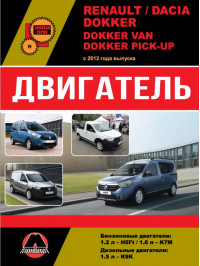
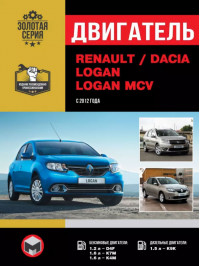
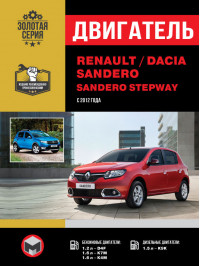
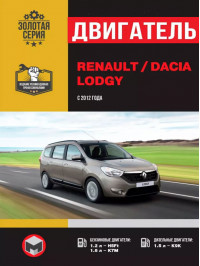
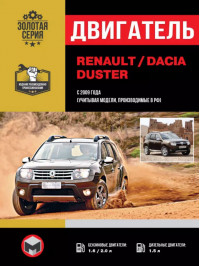
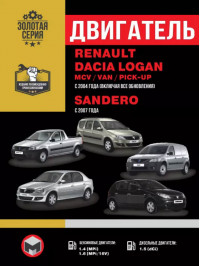
Dacia engines are a key element of the reliable operation of vehicles of this brand, providing a balance of power, efficiency, and durability. They are used in passenger cars as well as in crossovers and SUVs, ensuring stable performance in both urban conditions and on highways. Dacia is known for the simple design of its engines, the availability of spare parts, and high serviceability, which makes them attractive to a wide range of owners.
Modern Dacia engines are equipped with advanced technologies, including fuel injection systems, turbocharging, electronic ECU control, and variable valve timing (VVT). These solutions ensure an optimal balance between power and fuel efficiency while extending engine service life. Owners and mechanics familiar with the design of Dacia engines can quickly diagnose and eliminate faults, keeping the vehicle in excellent condition and reducing maintenance costs.
History of Dacia Engines
Dacia engine production began in 1966 with the release of the Dacia 1100 model, equipped with the Renault Cléon-Fonte engine with a displacement of 1108 cm³. These engines were characterized by a simple design, reliability, and durability, which formed the basis of the brand’s popularity in domestic and international markets.
In the 1980s–1990s, Dacia began using modernized Cléon-Fonte series engines and new diesel units, including the 1.6 D. These engines provided stable operation in the Dacia 1300, 2000, and Nova models, combining efficiency with ease of maintenance.
Since the early 2000s, after integration with Renault, Dacia started using modern Renault engines from the K7M and K4M series for petrol vehicles and dCi engines for diesel models. For example, the Logan (2004–2012) and Sandero (2008–2012) models were equipped with 1.4 MPI, 1.6 MPI, and 1.5 dCi engines, which ensured reliable operation and economical fuel consumption.
Modern Dacia engines (0.9 TCe, 1.0 SCe, 1.3 TCe, 1.5 dCi) are used in the Duster, Sandero, Logan, and Lodgy models. These engines are equipped with turbocharging, electronic control, and modern fuel injection systems, providing optimal dynamics, efficiency, and durability. They comply with Euro-4, Euro-5, and Euro-6 standards, making the vehicles safe and environmentally friendly.
Characteristics of Dacia Engines
Dacia engines are distinguished by reliability, fuel efficiency, and ease of maintenance. Main characteristics:
- Type: petrol and diesel.
- Models: 0.9 TCe, 1.0 SCe, 1.3 TCe, 1.4 MPI, 1.6 MPI, 1.5 dCi.
- Displacement: 0.9–1.5 liters.
- Power output: from 75 to 130 hp depending on the engine model.
- Turbocharging on modern petrol and diesel engines.
- Electronic ECU control and variable valve timing (VVT).
- Compliance with Euro-4, Euro-5, and Euro-6 standards.
- Easy repair and wide availability of spare parts for all models.
- Application in passenger cars and crossovers such as Dacia Logan, Sandero, Duster, and Lodgy.
Dacia engines ensure stable vehicle operation in urban driving and on highways, offering efficiency and reliability during long-term use. Their high serviceability makes these vehicles popular on the secondary market.
Dacia Engine Repair Manual
The availability of a Dacia engine repair manual in PDF format is important for owners and mechanics. It contains wiring diagrams, diagnostic instructions, disassembly, maintenance, and repair procedures for all engine components.
Using the manual, you can:
- replace oil, filters, and consumables for the 0.9 TCe, 1.0 SCe, 1.3 TCe, 1.4 MPI, 1.6 MPI, and 1.5 dCi engines;
- service fuel injection systems, turbocharging, and VVT systems;
- check and restore electronic engine control units;
- eliminate engine starting issues and unstable operation;
- diagnose and repair valves, sensors, and other engine components;
- perform preventive maintenance of the cooling and lubrication systems;
- use documentation to strictly comply with factory standards during repairs.
Proper use of the manual helps keep Dacia engines in excellent condition, extend vehicle service life, and ensure reliable operation. Even under intensive use or high mileage, Dacia engines remain serviceable and durable.
Dacia engines represent reliability, efficiency, and durability. Using the official repair manual helps keep vehicles in working condition, ensures stable operation of all systems, and prevents costly breakdowns. Thanks to high-quality power units, Dacia vehicles remain in demand on the market and retain their operational value for many years.