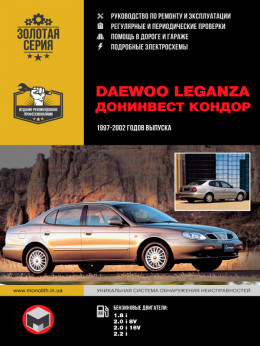
Truck repair books FAW in electronic form
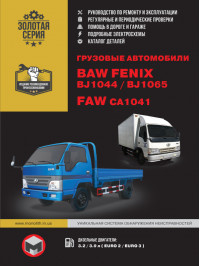
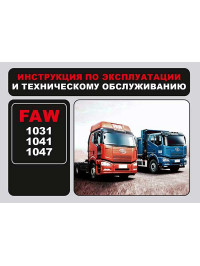
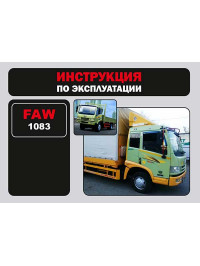
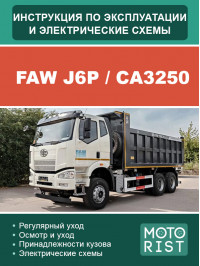
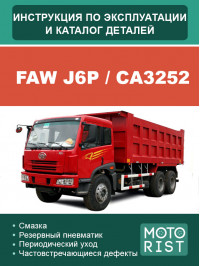
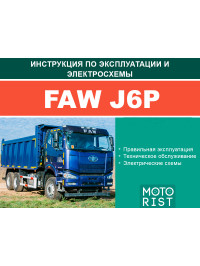
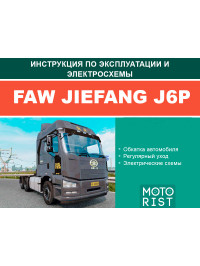
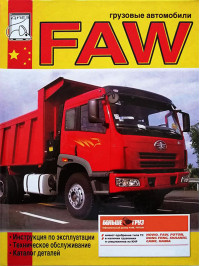
FAW trucks have gradually secured a strong position in the global commercial vehicle market thanks to their combination of reliability, practicality, and affordable price. Today, these vehicles can be found not only on the roads of China but also in Europe, the CIS, and the Middle East. They are successfully used in construction, logistics, agriculture, and heavy industry. Their versatility and wide range of configurations make FAW trucks suitable for a variety of tasks — from city deliveries to international hauls.
The main advantage of the brand is that the company focuses on modern technologies while keeping its vehicles affordable. Drivers and fleet owners appreciate the strong frames, reliable engines, and comfortable cabins, which, combined with low maintenance costs, make FAW trucks highly sought after.
History of FAW Trucks
FAW (First Automotive Works) was founded in 1953 and became the first state-owned automotive enterprise in China. By 1956, the first truck under the Jiefang brand — meaning “Liberation” — rolled off the production line. This model became legendary in China and was widely used in the military, factories, and agriculture.
In the 1980s and 1990s, FAW began cooperating with leading global automotive companies. Partnerships with Volkswagen, Toyota, Mazda, and General Motors allowed the implementation of new technologies in production, as well as improvements in assembly quality and vehicle reliability. This helped FAW trucks become competitive in the international market.
In the early 2000s, the company entered the CIS markets, where its vehicles quickly gained recognition. Owners appreciated FAW trucks for their simple design, durability on poor roads, and low operating costs. Today, FAW is among the five largest truck manufacturers in the world, exporting vehicles to over 70 countries.
Specifications of FAW Trucks
Modern FAW trucks are available in various classes — from light delivery models to heavy-duty long-haul tractors. Key features include:
- Engines — diesel units such as FAW-CA6DM2, CA6DM3, CA6DL2, and others, with displacements from 6.7 to 11 liters and power outputs from 240 to 460 hp.
- Environmental standards — compliance with Euro 4, Euro 5, and Euro 6 regulations, allowing operation on European roads.
- Transmissions — both manual and automated, designed for long-term operation without failure.
- Chassis and bodies — from dump trucks and flatbeds to specialized construction vehicles.
- Cabins — comfortable, with ergonomic seats, air conditioning, and multimedia systems, ensuring driver comfort during long trips.
- Safety — reinforced braking systems, ABS, strong frames, and modern passive safety features.
Many FAW models offer a good balance between payload capacity and fuel efficiency, making them attractive to transport companies looking to minimize operating costs.
FAW Truck Repair Manual
For proper maintenance and repair of FAW trucks, owners are recommended to use the repair manual in PDF format. This document contains step-by-step instructions, diagrams, and tables to help quickly resolve issues.
The manual details:
- scheduled maintenance and intervals for replacing consumables;
- full electrical diagrams for troubleshooting electrical systems;
- engine, transmission, brake system, and suspension repairs;
- diagnostics of electronic control units and management systems;
- tips for operating the truck in various climatic conditions.
Common issues that can be addressed using the manual include:
- difficult engine start in cold weather;
- fuel system malfunctions;
- errors and failures in electronic systems;
- wear of brake mechanisms and suspension;
- transmission problems.
Having such a manual helps reduce service costs, perform some repairs independently, and avoid long vehicle downtime. This is especially important for transport companies, as truck downtime directly affects profits.
In summary, FAW trucks are a successful combination of affordable pricing, reliability, and modern technology. They are suitable for transporting various types of cargo and can be used both in urban conditions and on long-haul routes. Thanks to strong chassis and fuel-efficient engines, these vehicles have proven effective across multiple business sectors.
Using the official FAW repair manual helps extend the lifespan of vehicles, reduce breakdowns, and ensure smooth fleet operations. This makes FAW trucks a practical choice for companies that value quality and cost-efficiency.
`