Repair and service loaders in the eBook
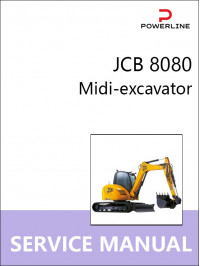
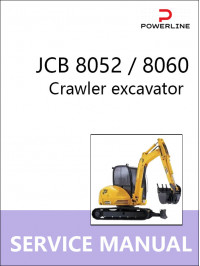
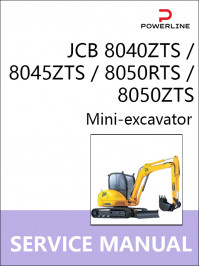
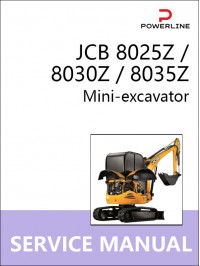
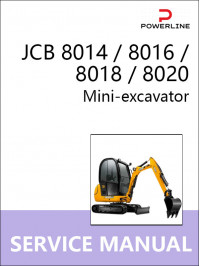
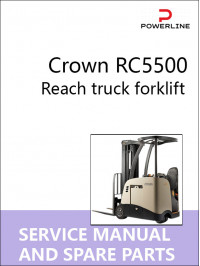
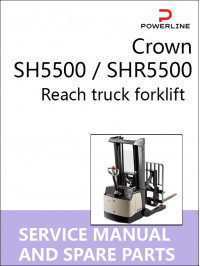
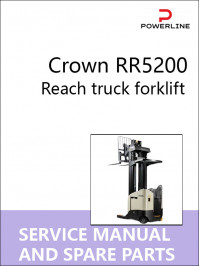
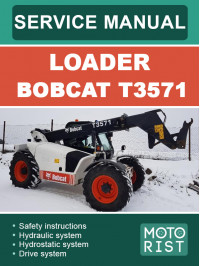
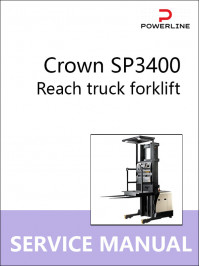
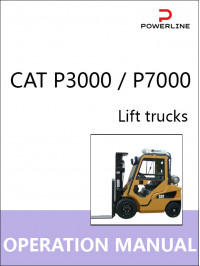
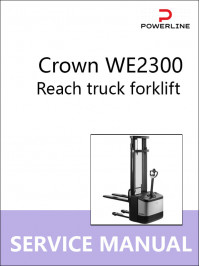
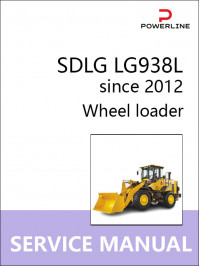
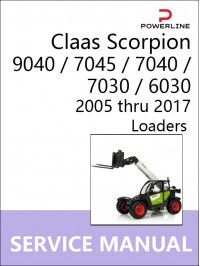
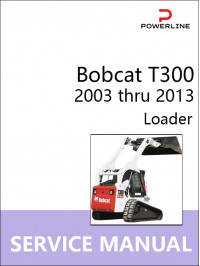
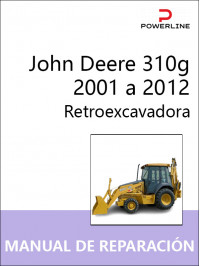
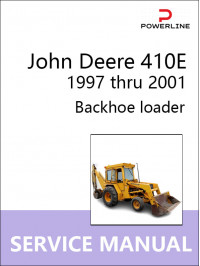
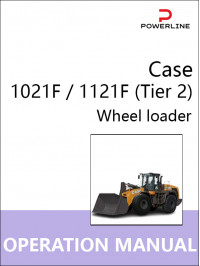
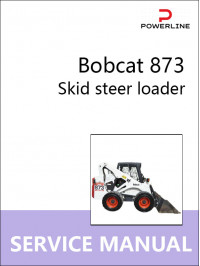
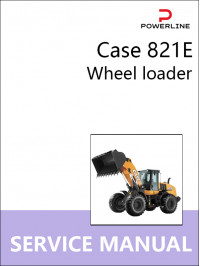
Loaders are essential special equipment, widely used in construction, warehouse logistics, agriculture, public utilities and industrial facilities. These machines are designed to lift, move and stack various loads - from pallets with goods to building materials and bulk substances. Modern loaders are characterized by high productivity, maneuverability and stability, which makes them a universal solution for many tasks.
Types of loaders
There are several types of loaders, each of which is adapted to specific operating conditions:
-
Front loaders
Equipped with a bucket located on the front of the machine. They are used in construction, quarries and public utilities. They have a high lifting capacity, a powerful engine and high cross-country ability. -
Forklifts (carriers)
Most common in warehouses and logistics centers. Designed to lift and move pallets with cargo. There are electric, diesel and gas ones. Electric ones are environmentally friendly and suitable for indoor use, diesel and gas ones are more powerful and designed for outdoor use. -
Telescopic loaders
Universal machines with an extendable boom. Combine the functions of a front loader and a crane. Can be used on construction sites, in agriculture and when installing structures at height. -
Mini loaders
Compact and maneuverable machines used in confined spaces. Often used in public utilities and landscaping. Equipped with various attachments - buckets, forks, hydraulic hammers, etc. -
Side and multi-way loaders
Used for working with long loads (pipes, profiles, boards). Ideal for narrow aisles, as they can move sideways, ensuring precise material feed.
Due to the variety of types and attachments, forklifts are actively used in various fields:
- Construction: loading and moving building materials, preparing construction sites.
- Agriculture: working with grain, fertilizers, hay bales.
- Warehouses and logistics: unloading and stacking goods on racks, moving pallets.
- Public utilities: snow removal, cleaning the area, garbage removal.
- Industry: transportation of metal structures, blanks and finished products.
Advantages of using forklifts
- Saving time and resources: mechanization of processes speeds up work and reduces the need for manual labor.
- Versatility: the ability to install various attachments expands functionality.
- Maneuverability: even large models can work effectively in confined spaces.
- Reliability and durability: with proper operation, the equipment will serve for many years without serious breakdowns.
Forklifts are the basis of effective logistics and production processes in a warehouse, construction site or agricultural enterprise. A properly selected forklift increases labor productivity, reduces costs and simplifies everyday tasks. Regardless of whether you need a forklift, front-end or telescopic forklift, you should focus on operating conditions, type of cargo and budget. And in order for the equipment to serve for a long time and without failure, do not forget about regular maintenance and high-quality operator training.
Books on repair of loaders
For efficient operation and extension of the service life of forklifts, it is extremely important to carry out maintenance and troubleshooting in a timely manner. An indispensable assistant in this process is a forklift repair manual. Such books contain comprehensive information about the design features of the machines, step-by-step diagnostic and repair procedures, lists of necessary tools and consumables.
In a good manual, you will find:
- electrical equipment and hydraulics diagrams;
- instructions for replacing filters, oils, seals, belts and brake pads;
- methods for diagnosing engine, transmission, steering and hydraulic system faults;
- information on permissible clearances, tightening torques and adjustments;
- recommendations for preventing breakdowns.
A forklift repair manual in PDF format is especially convenient - it can be downloaded to a smartphone or tablet and used directly during maintenance, even in the field. Many manufacturers, such as Toyota, JCB, Komatsu and Hyundai, produce official manuals, but general books from independent technical publishers covering many models are also available.
If you own a forklift or work with equipment professionally, having a detailed manual allows you to:
- save on maintenanceand in services;
- identify and eliminate breakdowns faster;
- extend the service life of equipment;
- minimize downtime in production or construction.
On our website you can find and download repair manuals for forklifts, front-end loaders, telescopic loaders and mini-loaders of different brands.