


Information on repair and maintenance of Engine Hyundai cars electronically
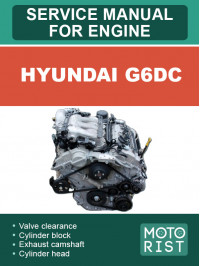
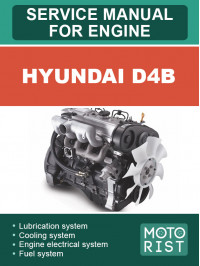
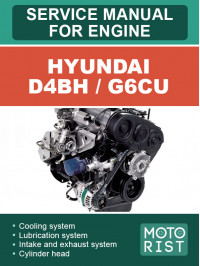
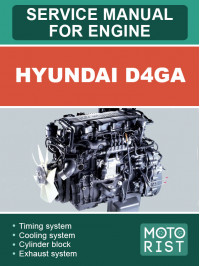
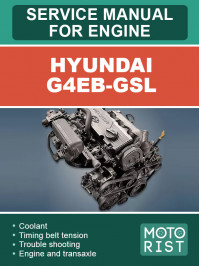
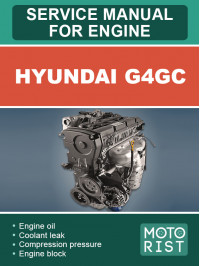
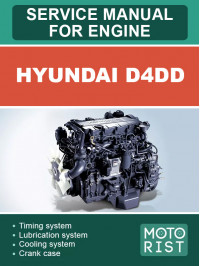
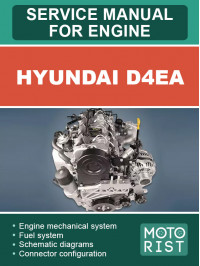
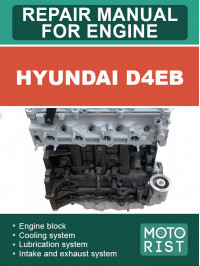
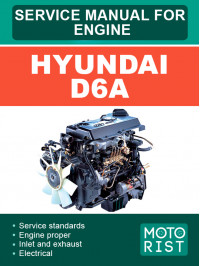
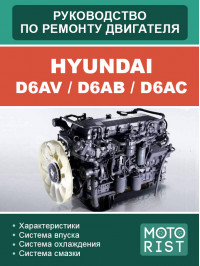
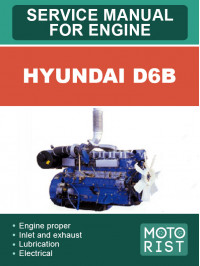
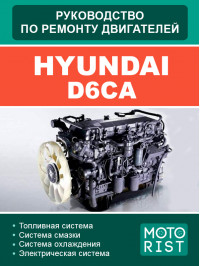
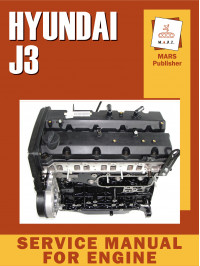
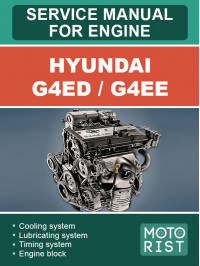
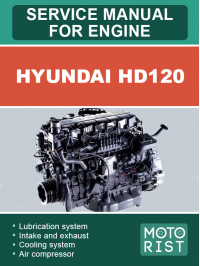
Hyundai vehicles have long established themselves as a combination of reliability, affordability, and modern technology. One of the key factors behind the brand’s success has been its engines — ranging from simple naturally aspirated petrol units to innovative turbocharged and hybrid systems. Over the past decades, Hyundai engineers have developed their own series of engines that rival Japanese and European counterparts in terms of quality and durability.
Today, Hyundai engines are installed in most of the company’s models — from compact i30 and Elantra to powerful Santa Fe and Palisade. They combine fuel efficiency, strong torque, and low noise levels, and with proper maintenance, they can easily exceed 300,000 km without major repairs.
History of Hyundai Engines
The history of Hyundai engines began in the 1970s, when the company first started producing its own cars. The first engines were built under license from Mitsubishi, and this period became the foundation for Hyundai’s engineering school.
In the 1980s and 1990s, the company actively developed its own engine production and introduced the Alpha and Beta series, which were used in models such as the Accent, Lantra, Coupe, and Elantra. These engines were known for their simple design, reliability, and ease of maintenance.
In the early 2000s, older series were replaced by new engines — Gamma, Theta, Nu, U, D4EA, and D4FB — fully developed by Hyundai engineers. The introduction of the CVVT system (Continuously Variable Valve Timing) improved power output and reduced fuel consumption.
Later, the company created turbocharged engines with direct injection (T-GDI), as well as hybrid and electric power units, which are now used in models like the Tucson Hybrid, Ioniq, and Kona Electric. Thus, Hyundai has evolved from licensed designs to its own high-tech, world-class developments.
Hyundai Engine Specifications
The Hyundai engine lineup covers a wide range of displacements and power outputs — from 1.0 to 3.8 liters — including petrol, diesel, turbocharged, and hybrid versions.
The most popular and reliable Hyundai engines include:
- G4FC (1.6 Gamma) — lightweight aluminum engine used in Accent, i30, and Solaris. Easy to service, with a lifespan of up to 350,000 km.
- G4KD (2.0 Theta) — powerful naturally aspirated engine used in Sonata, Tucson, and Sportage. Known for strong performance and durability.
- D4EA (2.0 CRDi) — turbo diesel engine for Santa Fe and Tucson, featuring high torque and low fuel consumption.
- G4NA (1.8 Nu) — modern engine with CVVT system, lightweight aluminum block, and excellent fuel efficiency.
- G4FJ (1.6 T-GDI) — turbocharged direct injection engine used in Hyundai Kona, Tucson, Veloster, and i30 N Line.
- D4FB (1.6 CRDi) — fuel-efficient diesel, ideal for city cars and crossovers.
Most modern Hyundai engines are equipped with electronic valve timing control, hydraulic lifters, and variable intake manifold systems. This ensures smooth operation, high efficiency, and low emissions.
Hyundai Engine Repair Manual
For Hyundai owners, having a Hyundai engine repair manual in PDF format is extremely important — especially for those who plan to service their engine on their own.
Such manuals typically include:
- timing system (valvetrain) diagrams;
- valve adjustment and chain/belt replacement procedures;
- fuel pressure and compression charts;
- sensor and control system layouts;
- engine removal and installation instructions;
- lists of OBD-II diagnostic codes.
Hyundai PDF manuals help perform basic repairs independently and prevent costly breakdowns. They are particularly useful for Gamma, Theta, Nu, D4EA, and D4FB series engines, where accurate tuning of sensors and CVVT systems is crucial.
Common problems that can be resolved using the repair manual include:
- increased oil or fuel consumption;
- unstable idling;
- camshaft, crankshaft, or oxygen sensor errors;
- timing chain noise or stretching;
- oil leaks from the valve cover;
- engine overheating or difficult cold starts;
- unstable CVVT system operation.
Regular oil changes every 8–10 thousand kilometers and the use of original filters can double the lifespan of a Hyundai engine. With proper care, even turbocharged T-GDI engines can easily exceed 250,000 km without an overhaul.
Hyundai engines represent a successful combination of Japanese precision and Korean reliability. They deliver consistent performance, low fuel consumption, and comfort under all operating conditions. Whether it’s a compact Accent or a flagship Palisade, Hyundai engines live up to expectations and prove that a modern car can be powerful, efficient, and easy to maintain at the same time.