Information on repair and maintenance of Harvester RSM combine harvester electronically
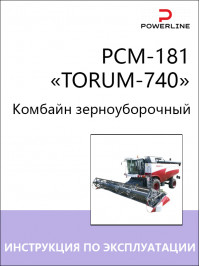
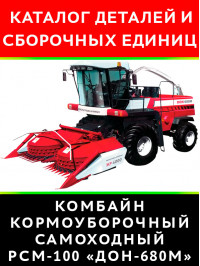
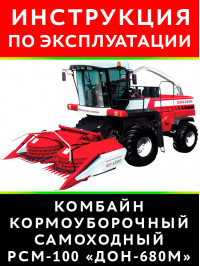
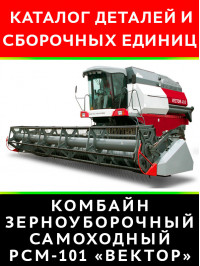
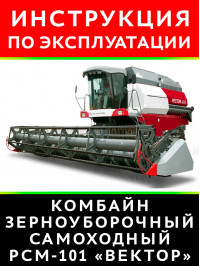
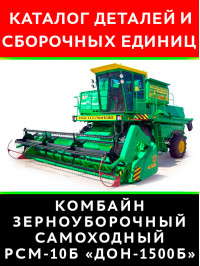
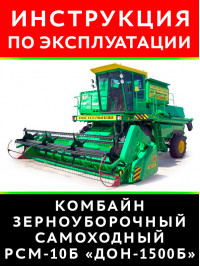
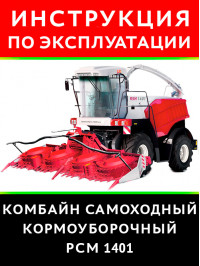
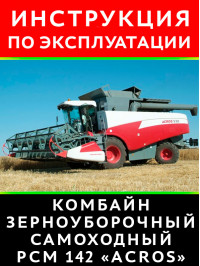
The RSM (Rostselmash) combine harvester holds a special place among agricultural machinery in Russia, Ukraine, and abroad. These machines are designed for efficient harvesting of grain crops, ensuring high productivity with minimal costs. A combination of reliability, efficiency, and affordability has made RSM combines popular not only with large agricultural holdings but also with smaller farms.
The popularity of these combines is explained by their versatility. They can operate in various climatic conditions, showing excellent performance both in steppe regions and in areas with high humidity. The machines are adapted to local operating realities, which makes them competitive compared to foreign counterparts.
History of RSM Combines
The history of RSM combines is closely tied to the development of the Rostselmash plant, founded in 1929. As early as the 1930s, the company began producing its first serial reapers and threshing machines. Over the years, production improved, and in the USSR, Rostselmash combines became a symbol of agricultural mechanization.
In the post-war decades, the company developed popular models such as the SK-3 and SK-4, which were widely used in collective and state farms. A true breakthrough came in the 1970s–1980s with the introduction of more powerful and productive machines capable of harvesting dozens of hectares per day.
After the collapse of the USSR, the enterprise managed to maintain its leadership position. In the 2000s, the RSM 101, RSM 142, and RSM 181 series were introduced, combining modern design, ergonomics, and new engines. Today, Rostselmash supplies machinery to dozens of countries worldwide, competing with brands like John Deere and Claas.
Specifications of RSM Combines
RSM combines are produced in various modifications, tailored to farms of different sizes. Their key features include:
- Engines. The machines are equipped with powerful diesel engines from YaMZ, Cummins, and Mercedes-Benz, ensuring stable operation even under maximum load. Power ranges from 250 to 500 hp depending on the model.
- Throughput. Modern RSM versions can harvest up to 45 tons of grain per hour, making them indispensable for large-scale fields.
- Operator Comfort. Cabs are equipped with air conditioning, comfortable seats, and modern control systems. Electronic panels allow monitoring of all processes.
- Headers. The lineup includes headers of various widths – from 5 to 9 meters – allowing farmers to choose equipment tailored to specific working conditions.
- Versatility. RSM combines are suitable for harvesting not only wheat but also corn, sunflower, barley, and other crops.
Thanks to these features, RSM machinery successfully competes in the international market, offering the optimal balance of price and performance.
RSM Combine Repair Manual
Despite their high reliability, RSM combines require regular maintenance. For user convenience, repair and operation manuals for RSM combines are available in PDF format. These documents contain complete instructions for diagnostics, adjustments, and troubleshooting.
Manuals provide solutions to issues such as:
- replacement and adjustment of drive belts and chains;
- engine and cooling system repairs;
- adjustment of the header and threshing drum;
- elimination of oil and hydraulic fluid leaks;
- inspection and repair of electrical equipment;
- adjustment of the chassis and steering system;
- full disassembly and overhaul of components.
Using these manuals helps reduce maintenance costs, as many tasks can be performed independently.
Thus, the RSM combine is a reliable assistant for farmers, combining power, functionality, and durability. It is equally well-suited for both large enterprises and smaller farms.
The availability of detailed PDF repair manuals makes operating the machinery as convenient as possible. This helps extend the machine’s lifespan, prevent unexpected breakdowns, and increase efficiency during the harvest season.