Repair and service Bobcat agricultural machinery and equipment in the eBook
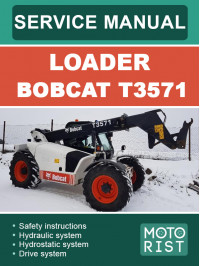
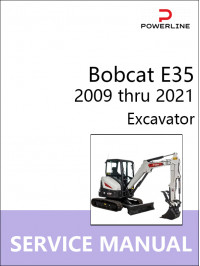
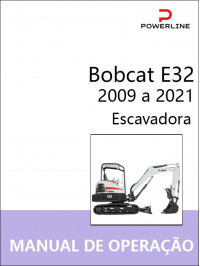
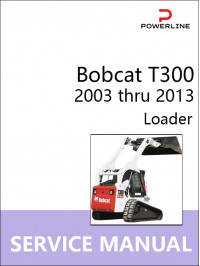
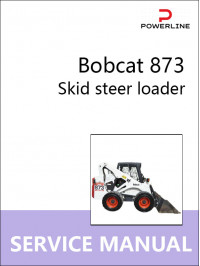
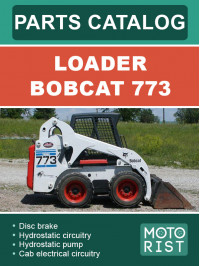
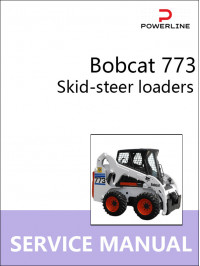
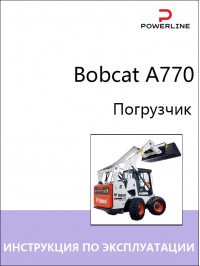
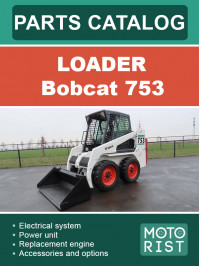
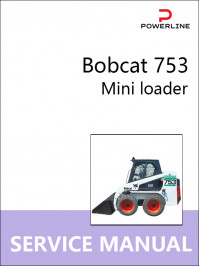
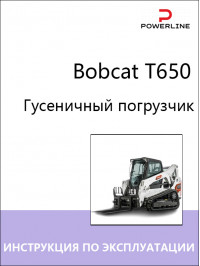
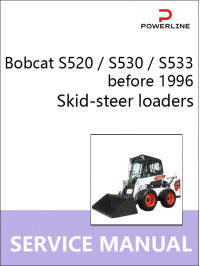
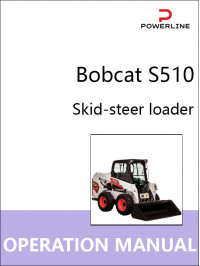
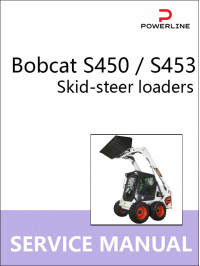
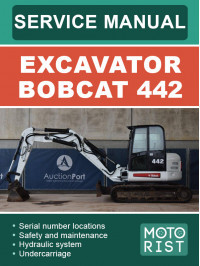
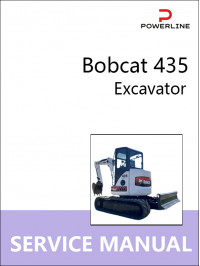
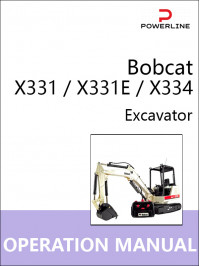
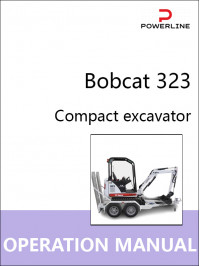
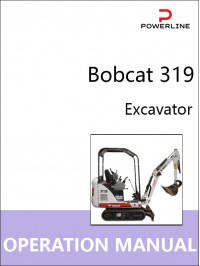
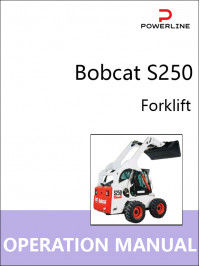
The Bobcat brand is firmly associated with compact and powerful construction equipment. These machines have become indispensable assistants on construction sites, in public utilities, agriculture and forestry, as well as in landscaping.
Reliability, ease of maintenance and high versatility are the main reasons for the popularity of Bobcat around the world.
History of the Bobcat brand
The history of Bobcat begins in 1947 in the USA, in the state of North Dakota. At that time, the Melroe Manufacturing Company was engaged in the production of agricultural machinery. Everything changed in 1958, when engineers Louis and Cyril Keller developed the world's first three-wheel compact loader. This machine was capable of working in confined spaces, making it extremely convenient on farms and warehouses.
In 1960, a four-wheel version of the loader appeared, and the Bobcat name was officially registered in 1962. The word "Bobcat" is translated as "lynx" - an animal symbolizing agility, endurance and strength. These qualities formed the basis of the company's philosophy. Since then, the Bobcat brand has become synonymous with reliable and compact equipment, and the term "bobcat" itself has become a household word for the entire category of mini-loaders.
Today, Bobcat is an international company with representative offices and factories around the world. It is part of the South Korean industrial giant Doosan Group. Despite this, the main production is still concentrated in the USA and the Czech Republic.
Technical characteristics of Bobcat equipment
The Bobcat model range includes dozens of machines: mini-loaders, compact track loaders, mini-excavators, telescopic loaders, as well as a large number of attachments. The basis of the range is mini-loaders - universal machines capable of performing up to 80% of all construction tasks using replaceable attachments.
Example - Bobcat S650:
- Years of production: from 2010 to the present
- Engine model: Kubota V3307-DI-T
- Power: 74.3 hp
- Load capacity: 1220 kg
- Transmission type: hydrostatic
- Control type: joystick or lever-pedal
- Boom lifting height: vertical
Thanks to its well-thought-out design, the Bobcat S650 easily copes with loading materials into dump trucks, moving pallets, snow removal, soil loosening and other tasks. It is characterized by high stability, a small turning radius and good visibility from the cabin.
Example - Bobcat T770:
- Years of production: since 2011
- Engine: Kubota V3800
- Power: 92 hp
- Drive: tracked
- Load capacity: 1570 kg
- Advantages: high cross-country ability, reliable operation on loose and wet soil
All Bobcat machines are compatible with a wide range of attachments: buckets, forks, drilling rigs, hydraulic hammers, brushes, cutters, mowers, rippers and much more. Attachment replacement takes no more than 5 minutes thanks to the quick-connect system.
Bobcat Repair Manual
One of the advantages of Bobcat is the availability of detailed repair manuals in PDF format. These technical manuals are intended for service technicians and owners of equipment who want to service and repair their machines themselves.
The contents of a typical PDF manual include:
- Full technical specifications
- Hydraulic system and electrical wiring diagrams
- ECU error code decoding
- Tables of filling capacities and maintenance intervals
- Instructions for diagnosing the engine, transmission, brake and steering systems
- Description of the procedure for changing oil, filters, hydraulic pumps and drives
- Step-by-step diagrams for removing and installing attachments
- Joystick and sensor calibration algorithms
PDF manuals are especially useful for new models that use complex electronic systems. Without precise instructions, there is a high probability of erroneous replacement of components, unnecessary costs and loss of time. Many service centers require the original manual when accepting equipment for repair.
Bobcat repair manual allows you to quickly and competently eliminate the most common faults:
- Loss of engine power
- Hydraulic system errors
- Oil or hydraulic leak
- Control faults (joystick, buttons)
- Attachments do not turn on
- Engine or radiator overheating
- CAN bus and pressure sensor errors
Thanks to visual diagrams and clear descriptions, the PDF manual provides the ability for even non-professionals to perform basic maintenance without involving third-party technicians.